
GOAT stands for “greatest of all time”, and in soccer the title has seven serious claims across seven eras: Pele, Johan Cruyff, Diego Maradona, Ronaldo Nazario, Zinedine Zidane, Ronaldinho, then Lionel Messi and Cristiano Ronaldo. Readers type “greatest soccer player of all time” to get here, and Fizbal keeps every soccer legend and the story behind them in era order, not ranked by verdict. This page does not rank them: every claim faces the same three questions, and the verdict stays with you.
What does GOAT mean in soccer?
GOAT means greatest of all time. In football the phrase is an argument, not a title anyone awards, and no governing body ranks players this way. The word has nothing to do with the animal, and fans of other sports use it too, which is why this page says “of soccer”. An era, as this page uses it, is a period of the game judged by the same three questions.
How every era is judged: the peak, the wins, the change
Every one of the seven claims faces the same three questions, in the same order. Ask them of Pele and they must be asked of Ronaldinho.
| Question | What counts as an answer |
|---|---|
| The peak | How high the best version of the player went, and for how long |
| The wins | What was actually won, with the competition and the year |
| The change | What the game did differently afterward because of him |
Pele: three World Cups and the first global game
Pele’s claim stands on three World Cups, 1958, 1962 and 1970; no other player has three. Pele played from 1956 to 1977. A forward with both feet, heading and speed, he scored twice in the 1958 final; an injury cost him the 1962 final. He is credited with 1,281 goals in 1,363 matches by FIFA, a count that includes friendlies. He made football a world story, and in 1975 he joined the New York Cosmos. The case against is the era: slower defenses and a Brazilian league the world rarely saw. Those tournaments get their full telling in Pele’s three World Cups.

Johan Cruyff: total football and the game he rewrote
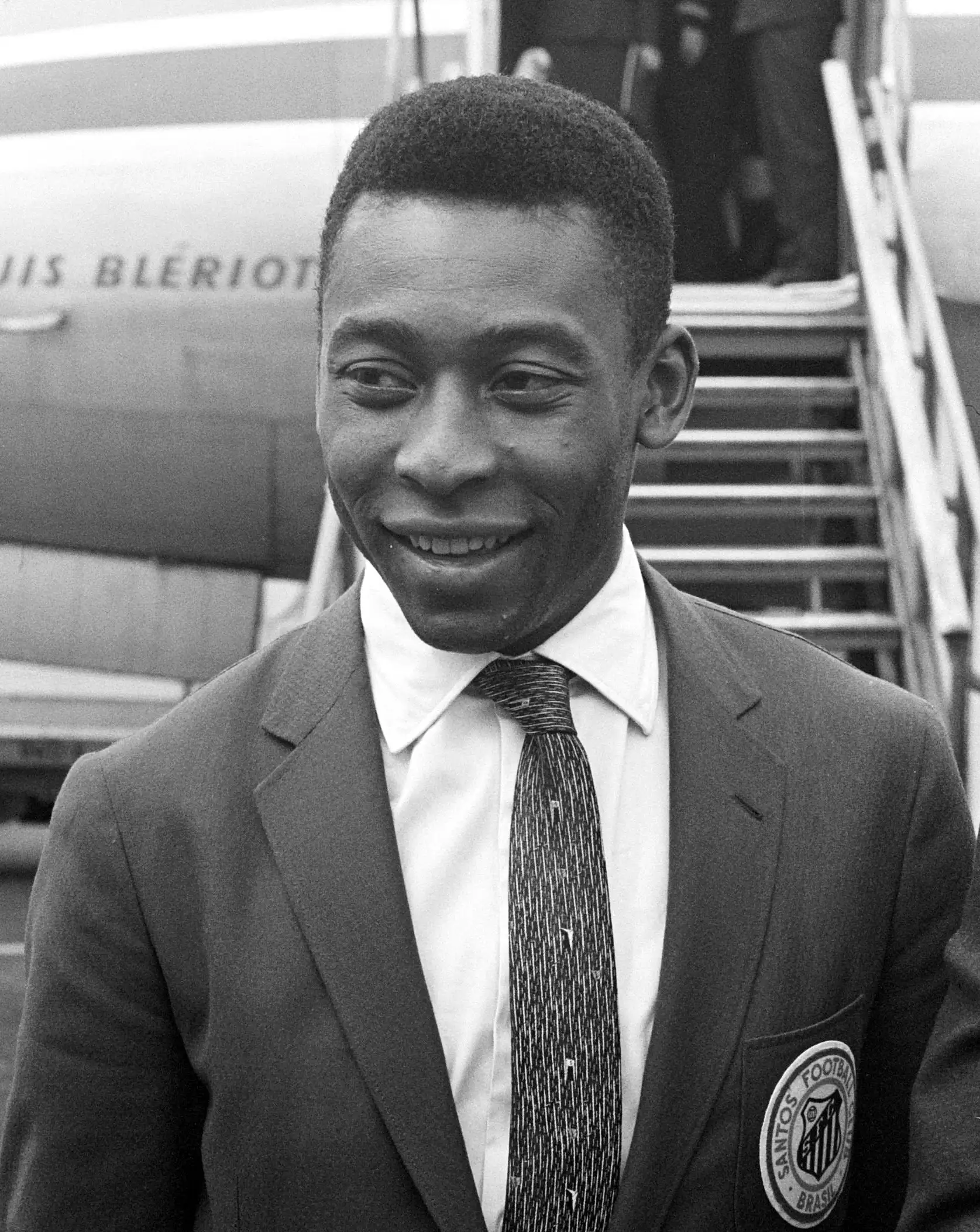
The claim for Johan Cruyff sits in the change column. He played from 1964 to 1984, the most intelligent forward of the 1970s inside total football, a system in which any outfield player could take any other’s position. The Ballon d’Or came in 1971, 1973 and 1974; Ajax won three straight European Cups, 1971 to 1973; the 1974 World Cup final went 2-1 to West Germany. As Barcelona’s coach he won four straight Spanish league titles, 1991 to 1994, and the club’s first European Cup. Only a World Cup is missing. The Cruyff turn is the subject of the story of Johan Cruyff.

Diego Maradona: the highest peak in the game
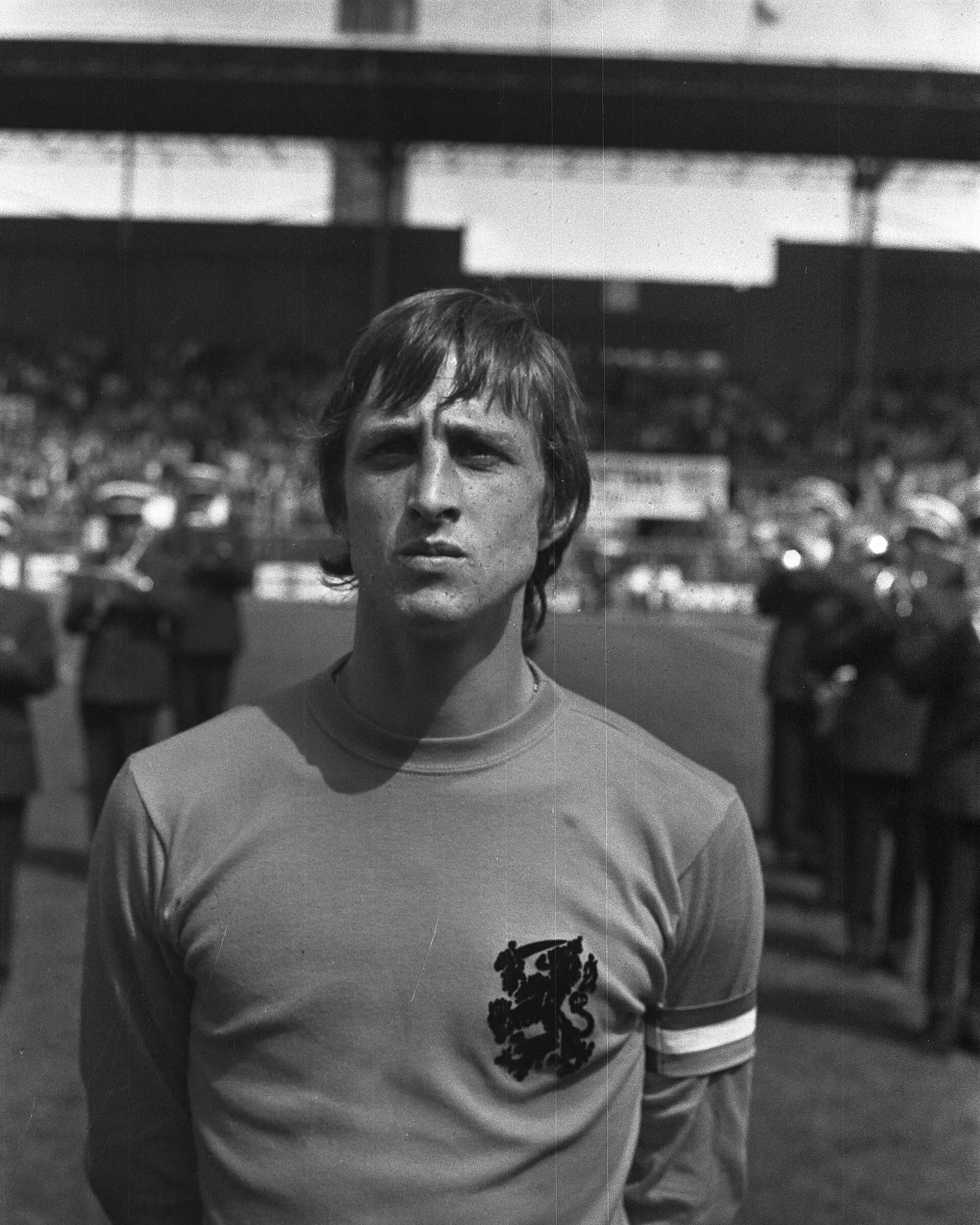
Diego Maradona’s claim is the peak column, and the peak is the 1986 World Cup; he played from 1976 to 1997. Against England on June 22, 1986 came the Hand of God in the 51st minute, then the Goal of the Century four minutes later. Argentina won the final; Napoli won their first two Serie A titles, 1987 and 1990. He showed one player could carry a team past a system. The peak was short: a 15-month ban from 1991 after a positive test for cocaine, and a 1994 World Cup exit after a positive test for ephedrine. Fizbal’s film the Hand of God and the Goal of the Century covers both.
Ronaldo Nazario: the Phenomenon, and the comeback
Ronaldo Nazario, the original Ronaldo, claims two peaks with a long injury between them, and the 2002 World Cup. He played from 1993 to 2011: speed, control and finishing in one striker, nicknamed O Fenomeno, the Phenomenon. He won two World Cups, in the 1994 squad without playing a match and decisive in 2002 with eight goals and both goals in the final, after knee-tendon ruptures in November 1999 and April 2000. The Ballon d’Or came in 1997 and 2002. Ronaldo Nazario’s comeback peaked in 2002: the striker who runs straight at defenders. The prime was short, cut by those knees.

Zinedine Zidane: control as the point
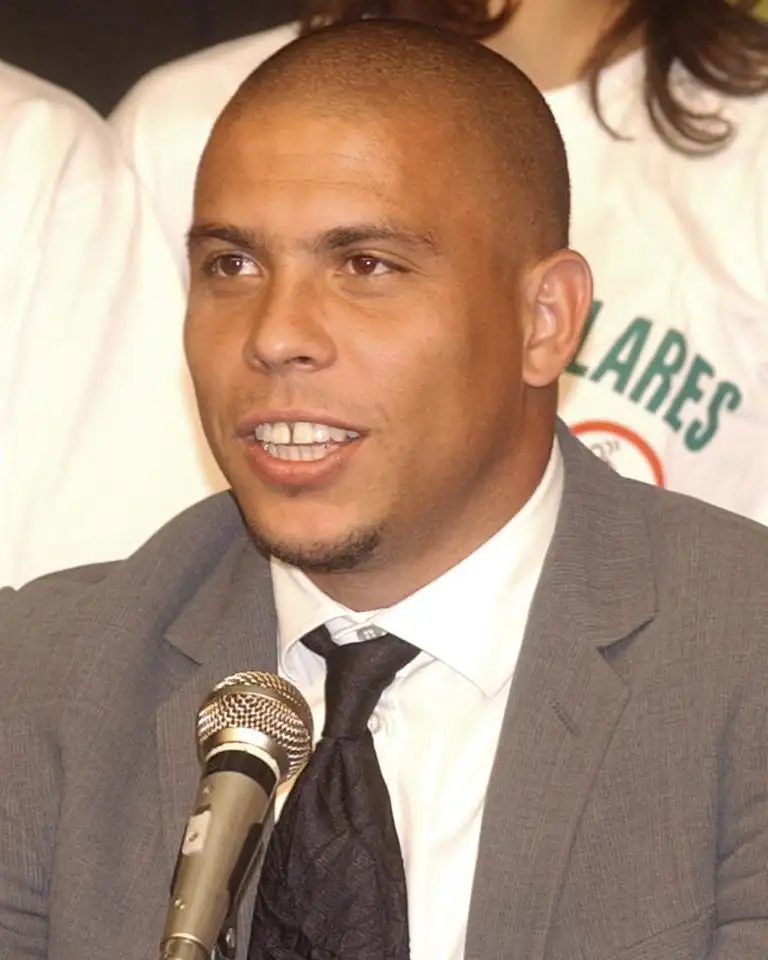
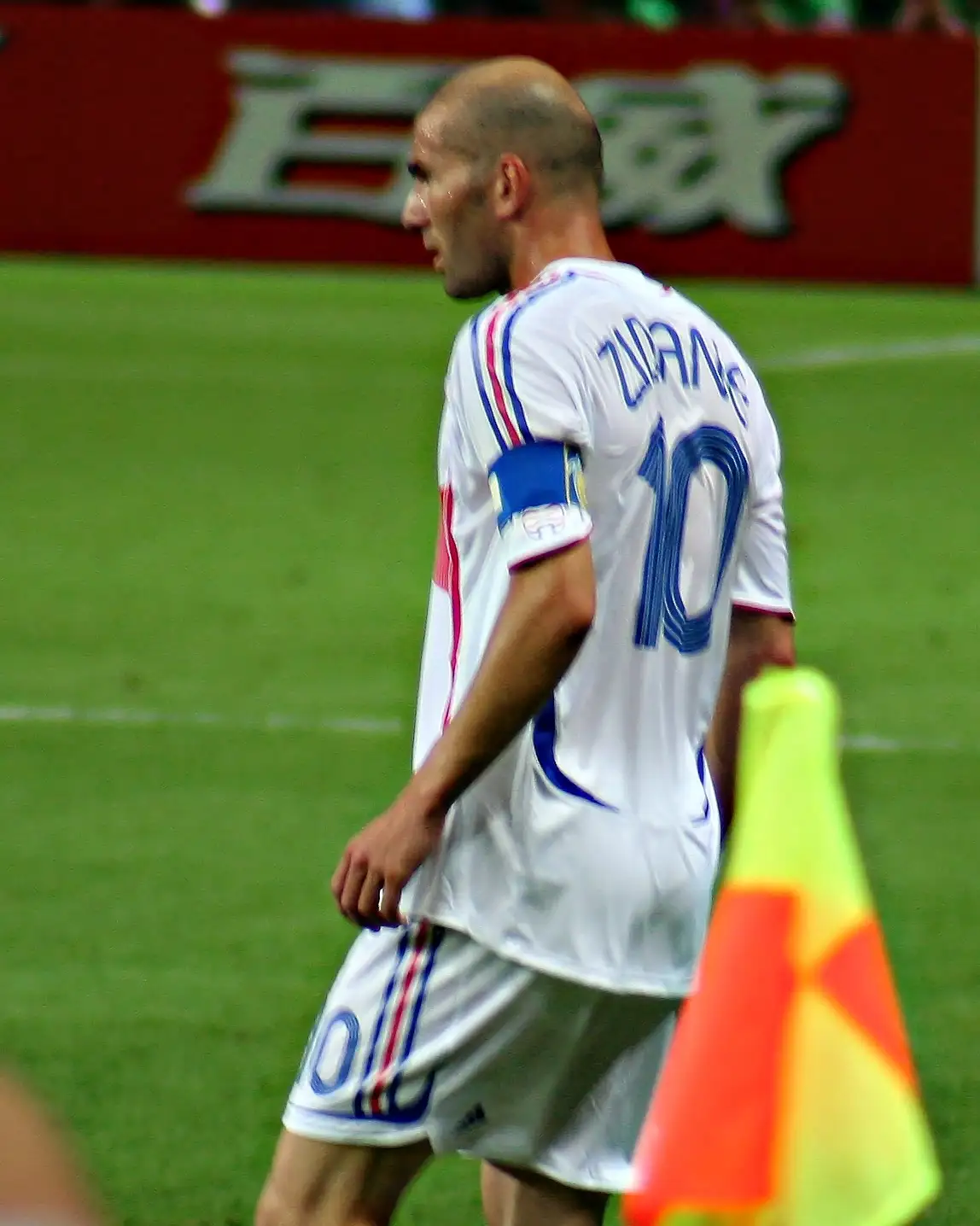
Zinedine Zidane’s claim is control, and he was at his best on the biggest stages. He played from 1989 to 2006. Two headed goals won the 1998 World Cup final, France 3-0 Brazil; Euro 2000 brought player of the tournament; his volley won the 2002 Champions League final for Real Madrid against Bayer Leverkusen. FIFA World Player of the Year in 1998, 2000 and 2003, he made touch the measure, not speed or power. For France he scored 31 goals in 108 games, and a red card closed his last match, the 2006 World Cup final. One film asks why Zidane headbutted Materazzi.

Ronaldinho: three years of joy
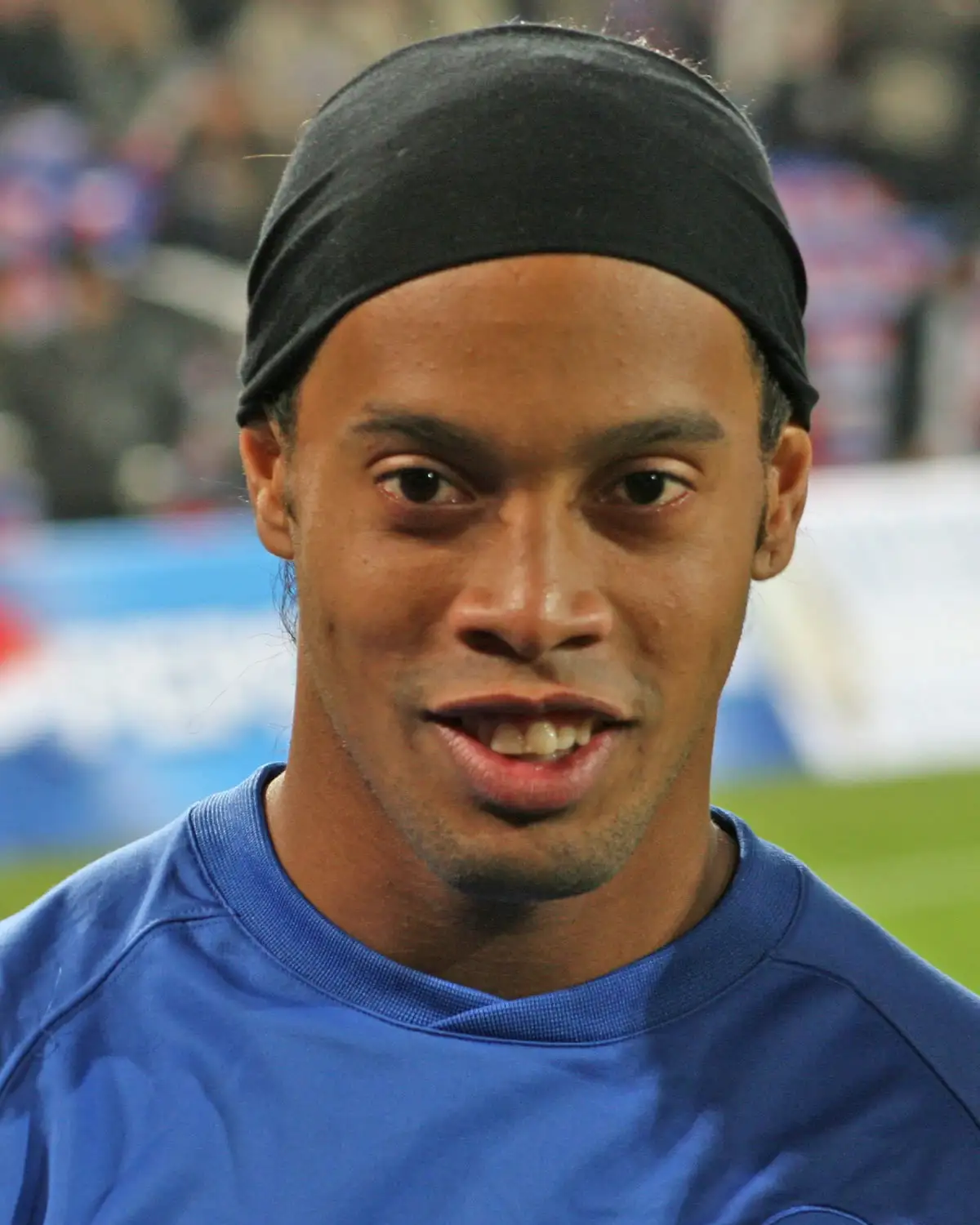
Ronaldinho’s claim is three seasons as the best player alive. His Barcelona years ran 2003 to 2008. At the Bernabeu on November 19, 2005, Real Madrid’s fans stood for him after two goals in Barcelona’s 3-0 win. He won the 2002 World Cup, his free kick beating England in the quarterfinal. FIFA World Player of the Year in 2004 and 2005, the 2005 Ballon d’Or, the 2006 Champions League followed. Joy and trickery became part of winning at the top level. He left Barcelona in 2008; the shortest reign here never restarted. What came next is told in what happened to Ronaldinho.

Messi and Ronaldo: two claims to one throne
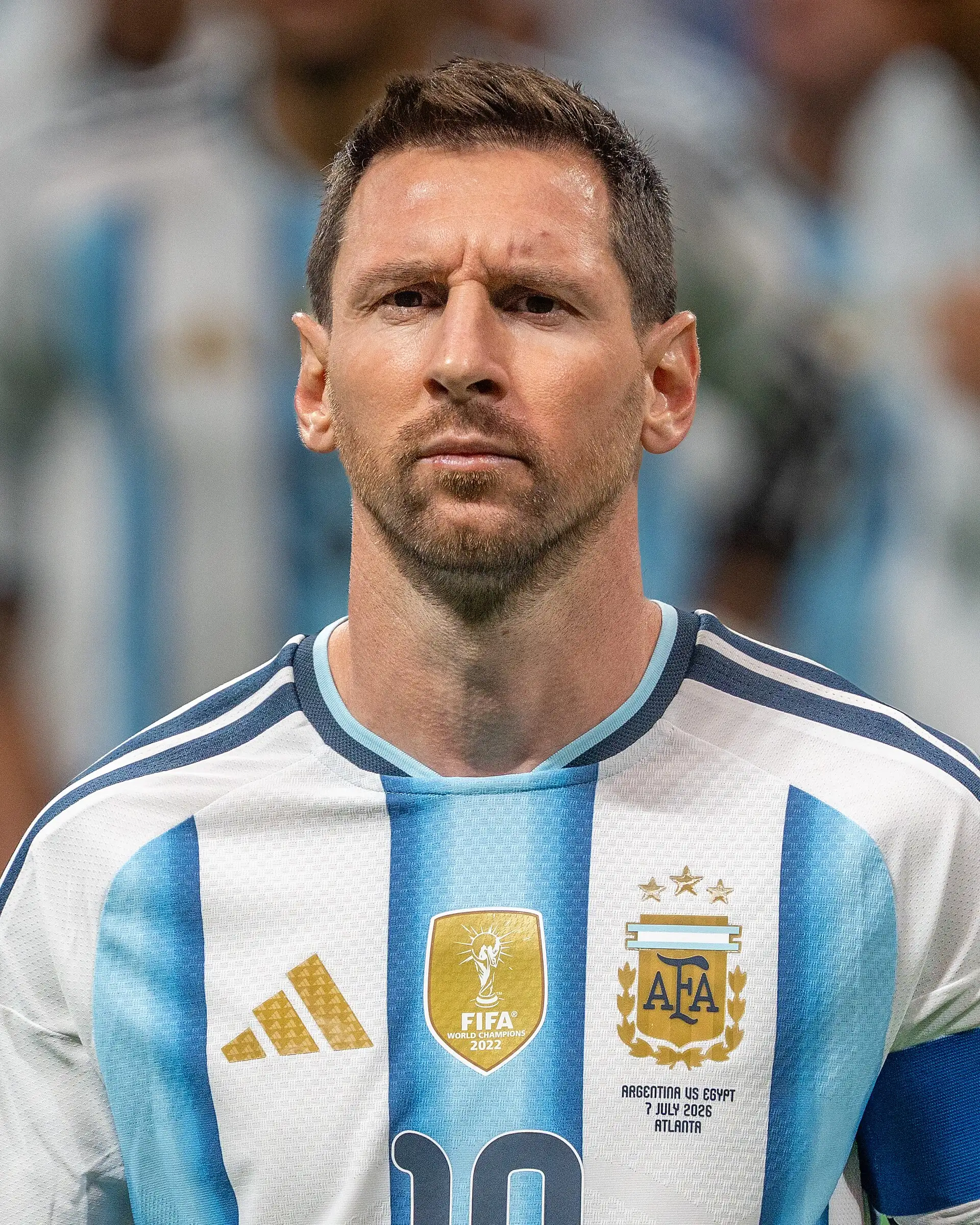
Lionel Messi made his Barcelona debut on October 16, 2004. He has won eight Ballon d’Ors, from 2009 to 2012, then 2015, 2019, 2021 and 2023. In 2022 he won the World Cup, the trophy he had been missing.
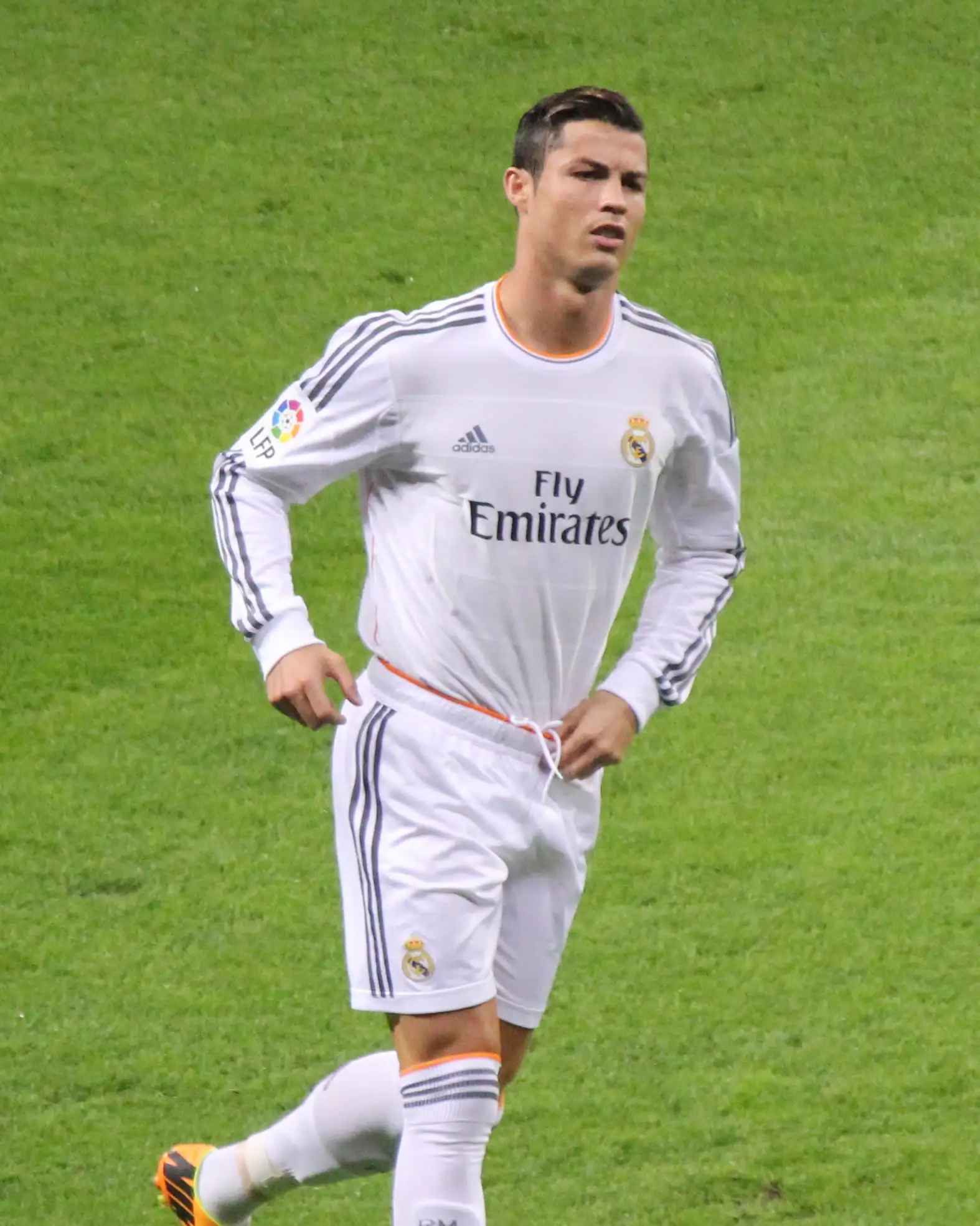
Cristiano Ronaldo made his senior debut in 2002. He has won five Ballon d’Ors and five Champions League titles. He holds the men’s international goals record, 146 goals as of September 26, 2026.
Every legend above owned an era alone, while these two shared one: they won every Ballon d’Or from 2008 to 2017, ten in a row, until Luka Modric broke the run in 2018. Fizbal keeps every Ballon d’Or winner in one place.


So who is the GOAT of soccer?
The short answer
The table below lays out the reasoning, not a league table.
| Player | Peak | Wins | Changed |
|---|---|---|---|
| Pele | A complete forward, twice scoring in the 1958 final | Three World Cups: 1958, 1962, 1970 | Made football a world story |
| Johan Cruyff | The most intelligent forward of the 1970s | Three European Cups, three Ballon d’Ors | Total football, then Barcelona’s coaching line |
| Diego Maradona | The 1986 World Cup | That World Cup, Napoli’s first two Serie A titles | One player could carry a team past a system |
| Ronaldo Nazario | Speed, control and finishing in one striker | Two World Cups, two Ballon d’Ors | The striker who runs straight at defenders |
| Zinedine Zidane | Control on the biggest stages | World Cup, Euro 2000, the 2002 Champions League | Touch as the measure |
| Ronaldinho | Three seasons as the best player alive | World Cup, Ballon d’Or, Champions League | Joy as part of winning |
| Messi and Ronaldo | Two peaks in one shared era | Eight Ballon d’Ors to five | They split a decade in two |
That is the whole of it: seven claims, one set of questions, and a verdict that belongs to you. The home page holds the era-by-era list of the best soccer players of all time, in the order the game produced them.
Who is the GOAT, Messi or Ronaldo?
The short answer
Fizbal scores the argument round by round in who is better, Messi or Ronaldo, its seven-round scorecard.
Is Pele or Maradona the greatest?
The two are judged on opposite evidence: three World Cups won against one World Cup carried. A reader who picks Pele is weighing the wins, a record no one has matched. A reader who picks Maradona is weighing the peak. The three questions decide which scale you trust.
Who is known as the king of soccer?
The short answer