
A football transfer is the move of a player under contract from one club to another, registered inside a transfer window, for a fee the buying club pays the selling club. A window lasts weeks at most, yet inside it clubs agree fees that are paid in installments and spread across the length of a contract. The names behind the game’s biggest moves are at every soccer legend and the story behind them.
How does a football transfer work?
The short answer
- The buying club makes an offer to the selling club.
- The two clubs agree the fee and how it will be paid.
- The player agrees personal terms with the buying club, a separate negotiation that can fail on its own.
- The player passes a medical.
- The contract is signed and the player is registered, meaning the league records that he may play for the new club, inside a window; a move between countries needs clearance from the old country’s football association.
Outside a window, a club cannot register a player bought from another club.
What is the transfer window and when is it open?
A transfer window is the period, set by each national association, when clubs may register incoming players. Each association sets two windows a season under FIFA’s transfer rules.
| Window | Roughly when | What it is used for |
|---|---|---|
| The main window | at the start of the season, up to 12 weeks | building the squad, with permanent moves and loans |
| The mid-season window | in the middle of the season, up to four weeks | fixing gaps, the same kinds of moves in less time |
The exact dates differ by country and by season, which is why none is printed here.
What happens on deadline day?
Deadline day is the last day of a window, when clubs finish or abandon deals before registration closes. The fee, the personal terms, the medical and the paperwork all have to be completed before the window shuts, and a deal whose paperwork is not filed in time has to wait for the next window. That is why the last day is crowded: months of slow talks collapse into a few hours.
How is a transfer fee agreed and paid?
The two clubs agree the fee between themselves, and it is usually paid in installments, with add-ons that depend on what happens after the move. Installments let a buying club spread the cash across seasons, while add-ons let the selling club share in what the player does next. Most deals are built from the same four parts.
| Part of a deal | What it means | Who it affects |
|---|---|---|
| The base fee | the guaranteed sum, often paid in installments | both clubs |
| Add-ons | extra payments triggered by appearances, trophies or other conditions | the selling club, if the conditions are met |
| A release clause | a figure in the contract that lets the player leave once it is paid, without the selling club’s agreement | the player and the buying club |
| A sell-on clause | a share of the player’s next fee owed to the club that sold him | the club that sold him |
The fees on this site are the figures reported at the time, not club accounts, and each one is stated as reported.
What is a loan in football?
A loan is a temporary move: the player stays under contract with his own club and plays for another for an agreed period. Clubs loan instead of selling when a player needs playing time, or when they want to keep him for a later sale. The two clubs agree who pays the wages, and some loans carry an option or an obligation to buy at the end.
Why do football clubs spend so much money?
Clubs spend so much for three reasons: the money coming in, the way a fee is spread in the accounts, and rivals spending too.
- Revenue comes from three sources. A club’s income is commercial money (sponsorship and merchandise), broadcast deals and matchday income. For the 20 highest-earning clubs in 2024-25, commercial was the largest at about 5.3 billion euros, broadcast next at about 4.7 billion, and matchday the smallest at about 2.4 billion.
- Only part of a fee counts against each season, so a huge signing does not land on one year’s books, as the next section explains.
- Rivals keep the market moving. Nine of the ten most expensive signings of the 2026 summer window were made by Premier League clubs.
How does a transfer fee appear in a club’s accounts?
A transfer fee is spread evenly across the years of the player’s contract, so only part of it counts against each season. As an example, 100 million pounds paid on a five-year contract lands as 20 million a year, and on an eight-year contract as 12.5 million. A longer contract therefore cut the yearly cost, and Chelsea used that in January 2023, giving two signings eight-and-a-half-year contracts. UEFA then limited the spread to five years from July 1, 2023, and the Premier League followed in December 2023.
Which are the biggest transfer fees ever?
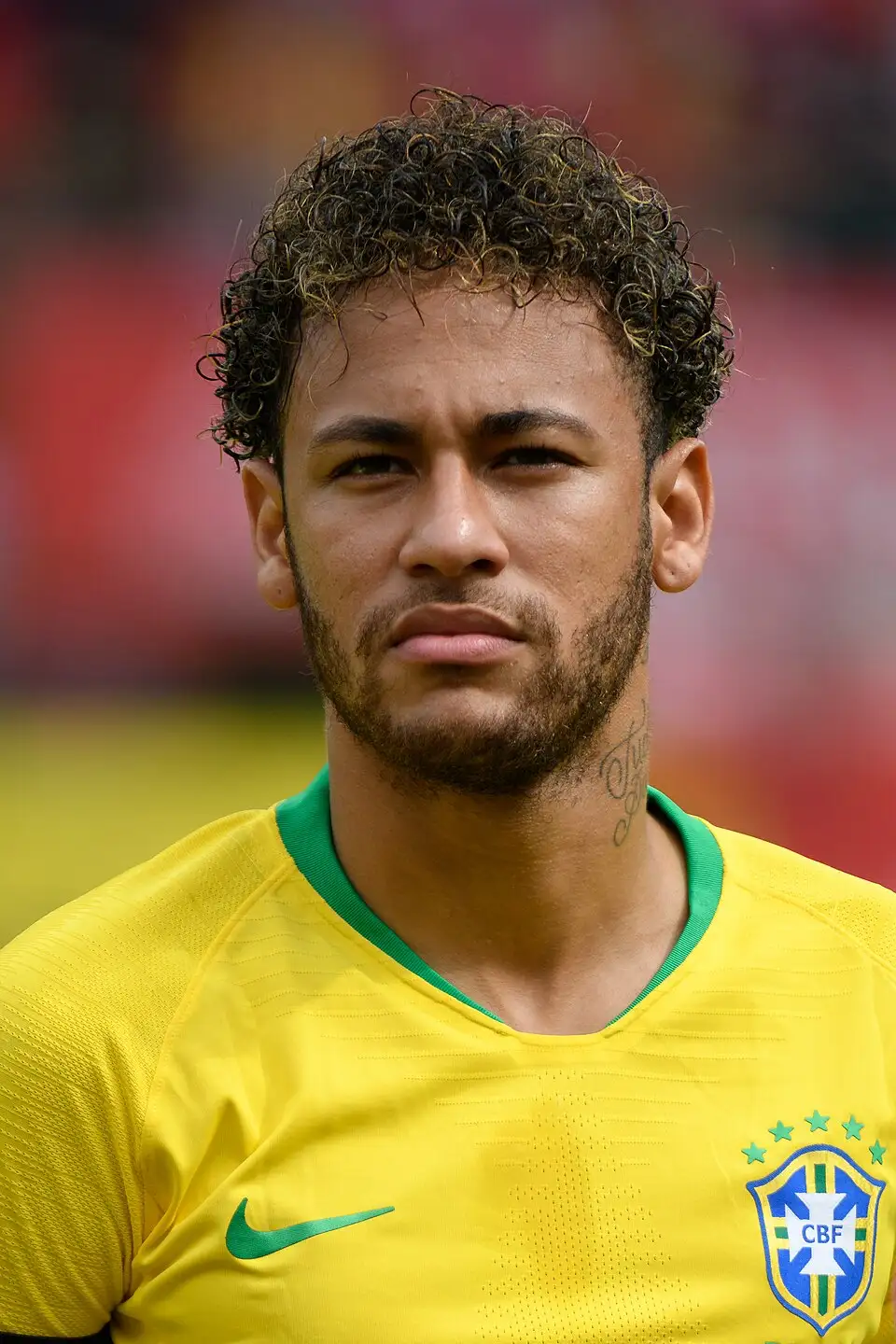
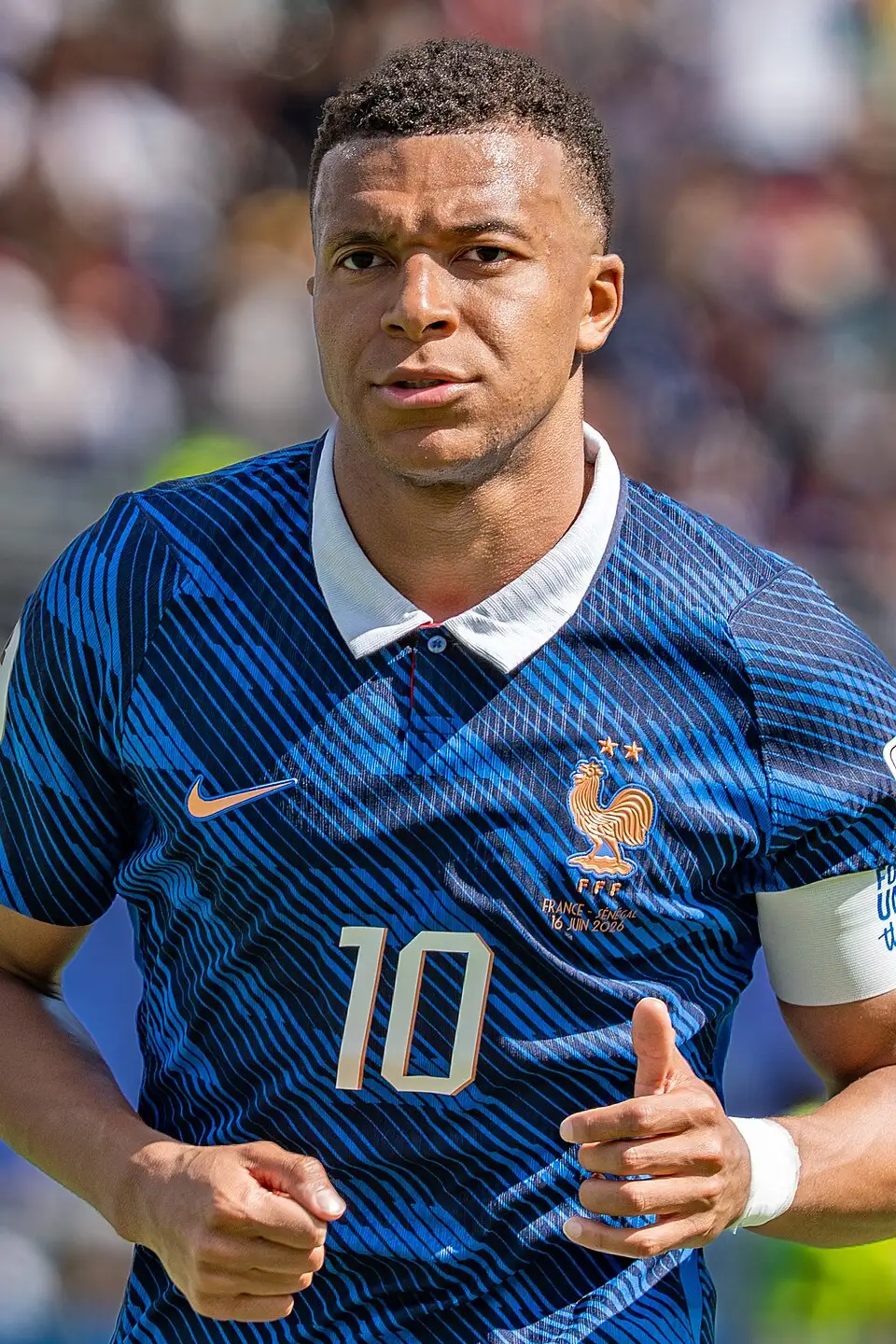
The record is Neymar’s move from Barcelona to Paris Saint-Germain in 2017, for 222 million euros. Three fees sit at the top.
- 2017: Neymar, Barcelona to Paris Saint-Germain, 222 million euros, the deal behind the Neymar saga.
- 2018: Kylian Mbappe, Monaco to Paris Saint-Germain, 180 million euros, a loan in 2017 made permanent a year later.
- 2025 and 2026: Alexander Isak, Newcastle United to Liverpool, and Enzo Fernandez, Chelsea to Manchester City, level at 125 million pounds, the joint British record.
The ranked top ten, with the story behind each fee, is at the most expensive football transfers.


How did Liverpool turn transfers into a science?
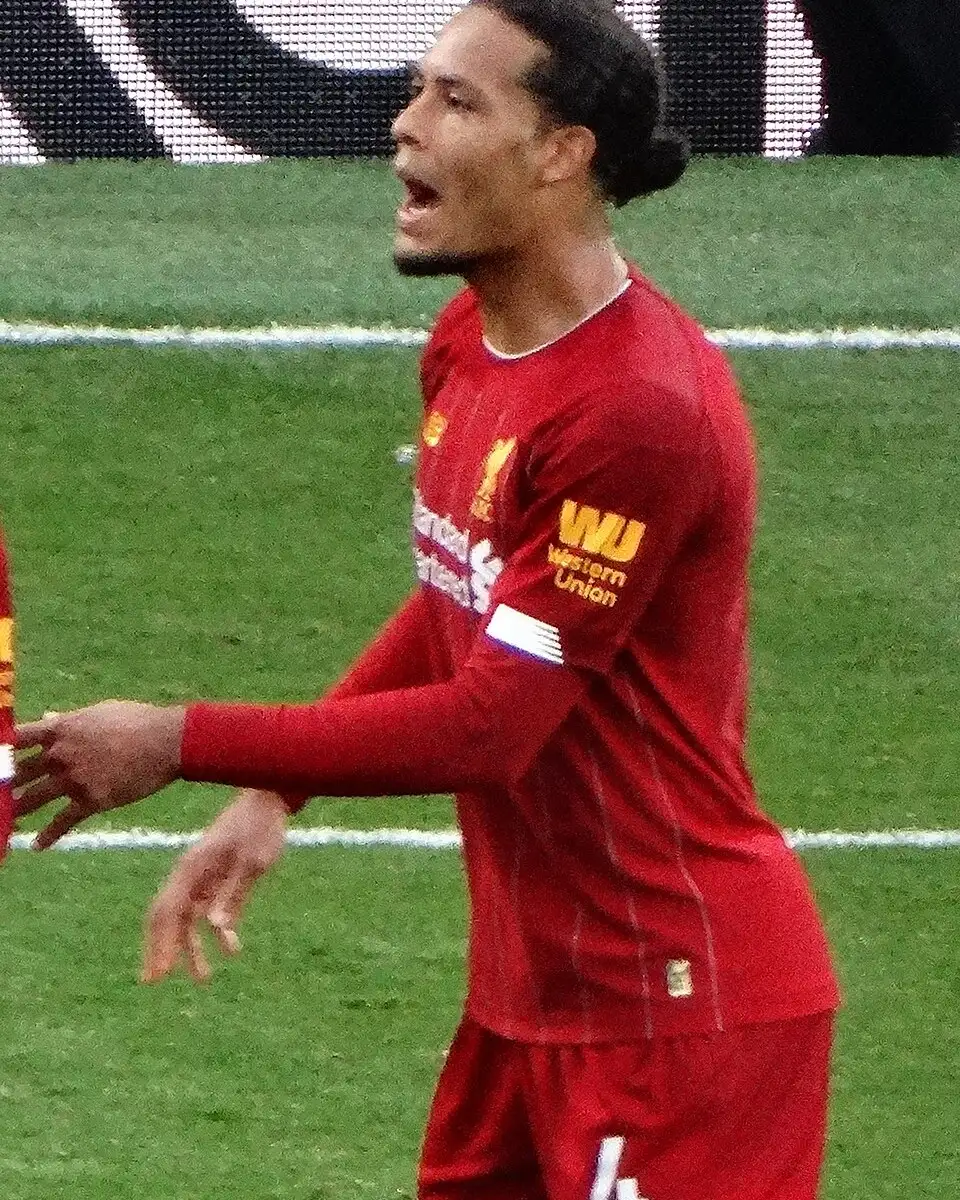
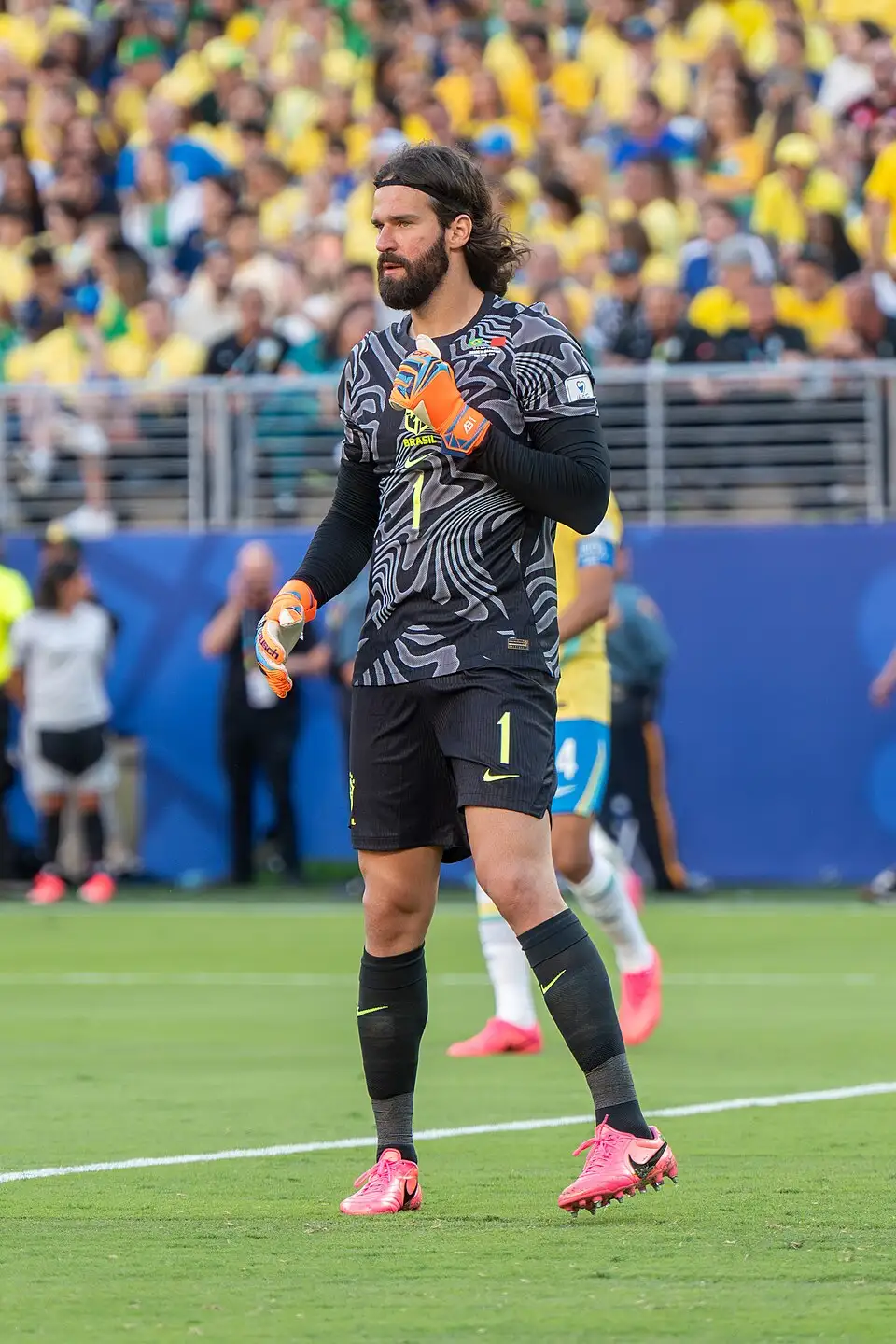
The film’s argument is that Liverpool rebuilt by selling one star and spending on the positions it lacked. Philippe Coutinho was sold to Barcelona in January 2018, Virgil van Dijk arrived in that same window, and Alisson came from Roma that summer. Within two years Liverpool had won the Champions League in 2019 and the Premier League in 2019-20, results the film reads as the payoff of that approach.


Which transfers changed football?
A handful of moves changed what clubs pay and how they pay it. Three moments stand out.
- 1995: the Bosman ruling, decided by the European Court of Justice on December 15, 1995, ended fees for out-of-contract players in the EU and lifted the cap on the number of EU players a club could field; fees for players under contract stayed.
- 2017: Neymar’s release clause, paid in full, more than doubled the world record.
- 2023: Enzo Fernandez joined Chelsea on an eight-and-a-half-year contract, one of the deals that led to the five-year limit on spreading a fee.
Fees for players still under contract remained after 1995, and the biggest of them is now 222 million euros.
Can a player refuse a transfer?
The short answer
Who gets paid in a football transfer?
The short answer